With the pressure to bring solar projects online quickly and under budget, third-party commissioning can often be overlooked. While it may seem like a cost-saving measure upfront, bypassing independent verification can expose solar asset owners and operators to significant financial losses, long-term performance issues and avoidable risk.
In reality, skipping third-party commissioning isn’t saving money — it’s gambling with long-term system performance and health, which in turn could mean millions of dollars over the solar asset’s lifespan.
What is third-party commissioning in solar?
Third-party commissioning is the process of hiring an independent contractor to verify that a solar project has been installed, tested and is operating in accordance with design specifications, industry standards and contractual requirements.

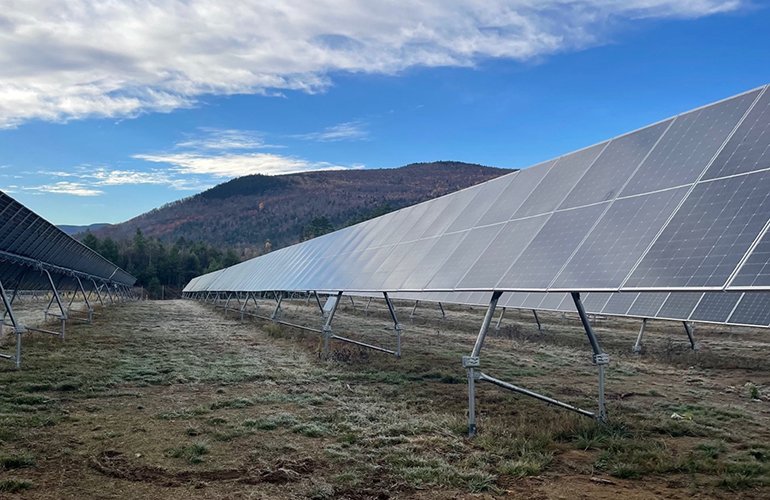
Credit: Day Electric
Third-party providers bring unbiased verification, specialized testing expertise and accountability to project commissioning. This independent oversight helps identify installation issues, equipment problems or performance risks before they impact long-term production.
By skipping third-party commissioning, there’s a chance that installation defects could go undetected. Even well built projects can have issues, including improper terminations, damaged cables, loose connections, incorrect inverter configurations and DAS/SCADA complications.
Without independent testing, these defects often go unnoticed until they cause system failures, equipment damage, safety incidents and production losses. The impact can mean thousands to millions in repairs and lost revenue.
Small issues at commissioning — such as mismatched strings, undetected module defects and improper system calibration — can turn into major underperformance over time. A system operating at just 2–5% below expected output can result in massive lifetime revenue loss and missed performance guarantees.
Using a third-party commissioner strengthens your position if issues arise. Without it, manufacturers may deny claims without proper documentation. EPC accountability becomes harder to enforce and root cause analysis can be delayed or inconclusive. Independent commissioning provides all parties with detailed documentation and verified performance.
When problems aren’t caught early, they show up down the road. This means more more troubleshooting visits, reactive maintenance and increased labor and equipment costs. Sites that aren’t properly commissioned can see significant performance and safety issues arrive within the first few years of operation.
Who benefits from third-party commissioning?
Third-party commissioning is cost-effective for asset owners and operators, because it provides independent and non-biased assurance, documentation and reduces long-term risk. Without proper commissioning, owners might not be aware of the state of their projects or why they have performance issues so early on. Quality third-party commissioning gives asset owners and operators the confidence and independent assurance that their investment is operating exactly as intended.
EPCs can absolutely benefit from third-party commissioning as well. Although it can be a much harder sell for them. Often, EPCs believe they have the in-house personnel to accomplish the testing needed to make projects operational. This may be true, but using an independent contractor for commissioning can benefit an EPC. It is not an overlap of services, but instead actually protects the EPC, and can improve project timelines and reduce long-term risk.
When EPCs use a third-party commissioning contractor can catch installation issues early and reduce potential owner disputes. EPCs can work alongside the commissioning contractor to resolve issues while still on site. This extra level of oversight can build trust with owners by employing unbiased verification and documentation for better project transparency. In the long run, this can quicken a project’s permission to operate.
The reality is that third-party commissioning can benefit all parties involved.
Solar projects are designed to generate clean energy for decades. Ensuring that a system is properly installed and fully tested from day one is essential for long-term reliability.
Third-party commissioning performed by qualified independent contractors ensures problems are caught early, systems operate at their quoted performance and all parties are protected. Skipping it may save money today — but it can cost more money down the road. So, the question isn’t, “Can we afford third-party commissioning?” The question is, “Can we afford not to?”
Hannah Smith is the marketing and business development manager for Day Electric, an independent solar service provider offering a variety of inspection, testing, repair, and maintenance services to support owners, operators, and developers with commercial and utility-sized solar projects.